
South Africa: Sniffer Dogs Against Poaching

Heroes on Four Paws

The Pilanesberg National Park in South Africa looks like paradise: about 150 kilometers northwest of Johannesburg, a 55,000-hectare hilly landscape surrounds an extinct volcano. Hundreds of wildlife species live here – including the famous “Big Five.” But beneath the idyllic scenery, danger lurks: poaching threatens elephants, rhinos, lions, and many other animals. Poachers hunt them for their meat or valuable products like horns and tusks. To protect these endangered species, the DERTOUR Foundation supports the Endangered Wildlife Trust (EWT) – and relies on some four-legged help. 

Dogs as Indispensable Partners

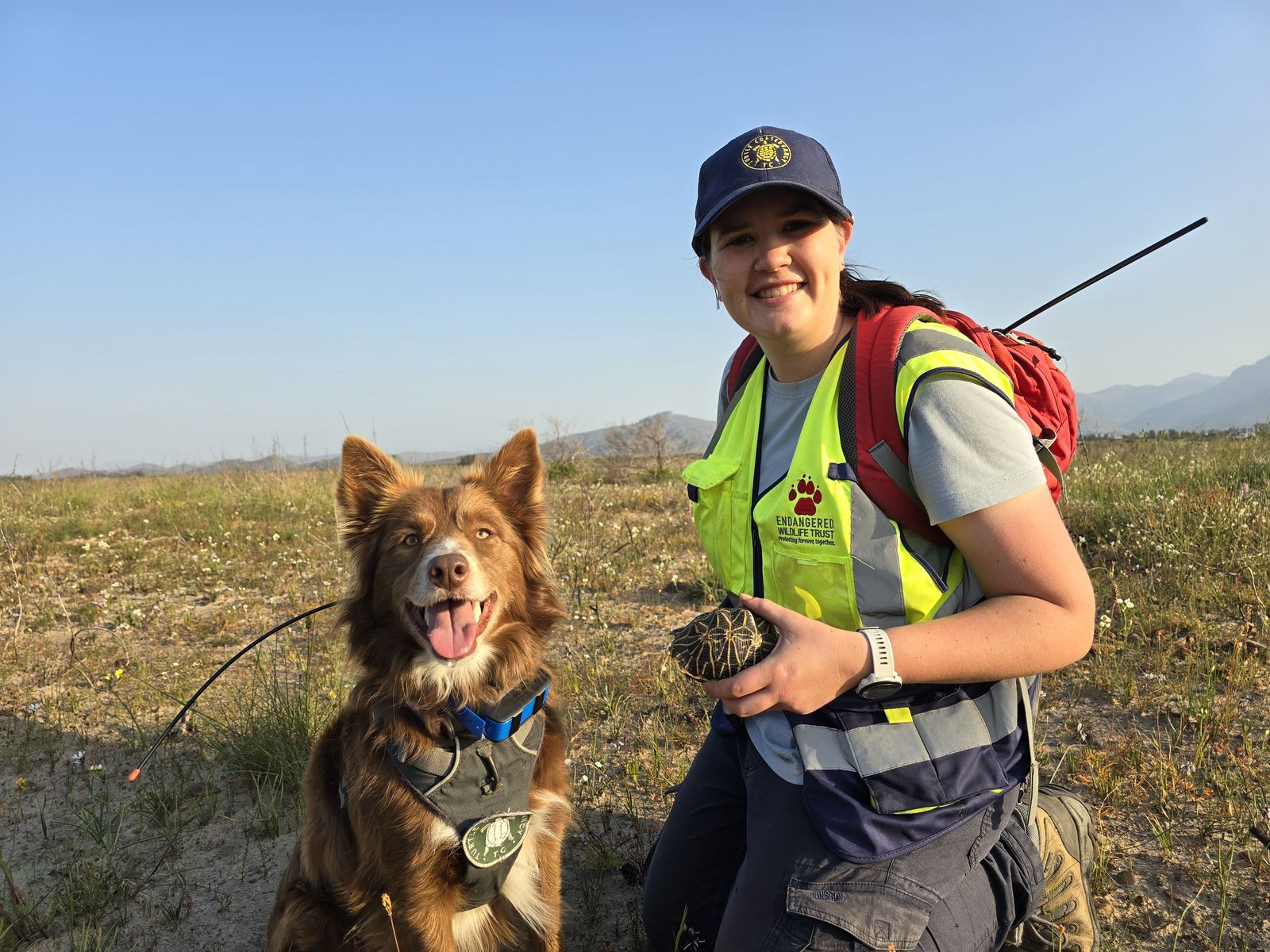
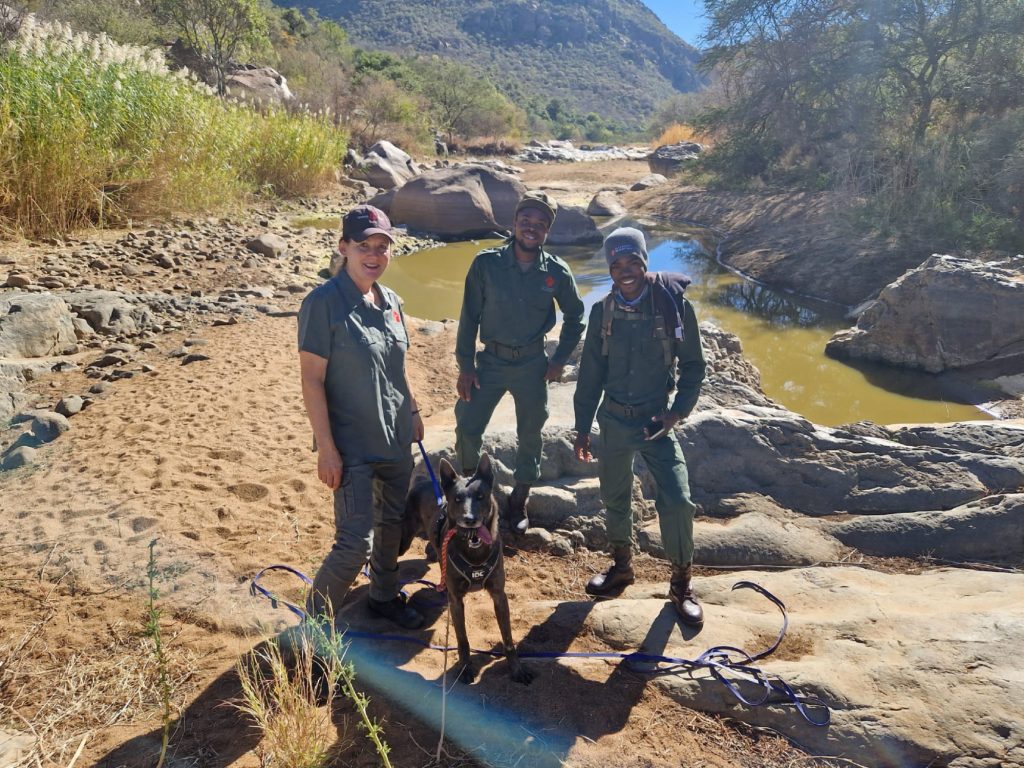
In the fight against poachers, sniffer and tracking dogs are irreplaceable. With their keen sense of smell, they can detect ivory or rhino horn, as well as weapons and ammunition. Together with their handlers, the dogs inspect vehicles at park entrances, search cargo, and track suspects through the bush. 

Support from the DERTOUR Foundation

The DERTOUR Foundation funds a handler, a sniffer dog, a tracking dog, and their medical care. Each dog and handler form a dedicated team—animal welfare always comes first. Motivation and trust are maintained through play and affection, ensuring strong bonds and effective teamwork. 

A Day in the Life of Anti-Poaching Dogs

A typical day begins at sunrise. Focused, the dogs follow tracks, alert to smuggled goods, and secure paths. Their work is more than routine – it is a daily contribution to protecting a unique ecosystem. 

The close relationship between dog and handler makes this work special. “These dogs are more than colleagues – they are partners,” says one ranger. This bond gives both handler and dog the strength to face even the toughest assignments. 

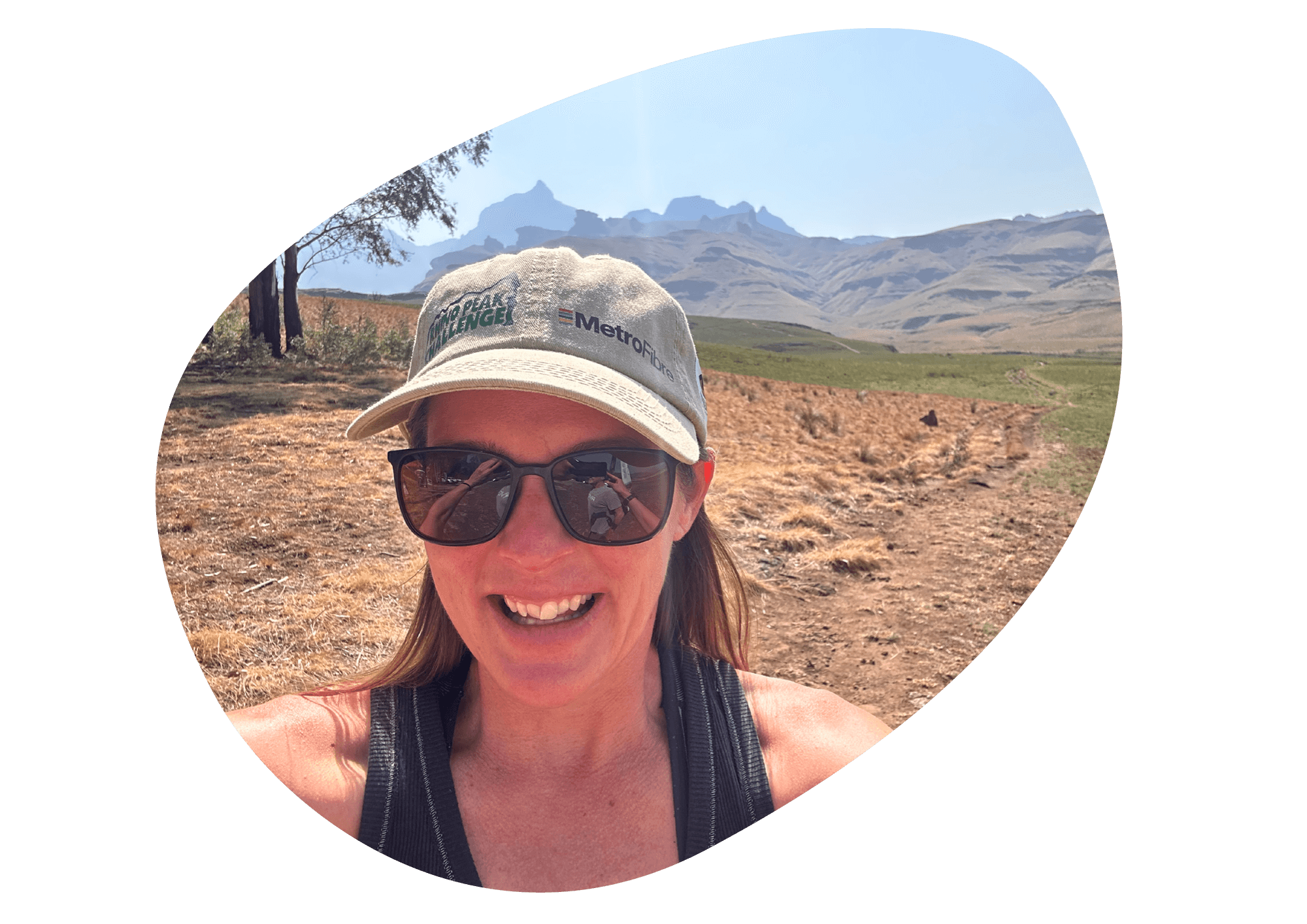
Tammy Baker, Business Development Officer at EWT, explains: “Our conservation dogs are invaluable. Each dog is trained to detect poachers or contraband – sometimes both. The Pilanesberg terrain is challenging, but the dogs are perfectly trained. Their mere presence is a deterrent, because poachers know their chances of getting caught are much higher.” 

The program is flexible and innovative. “We’ve even started training our dogs to detect plant poaching, such as rare succulents. They also help locate snares – far more efficiently than a ranger alone,” says Baker. 

50 Years of EWT – A Success Story

Founded in 1973, the EWT has been committed to protecting endangered species and habitats. Its dog unit, launched in 2012, has become a powerful tool against poaching. With the support of the DERTOUR Foundation, the program has been expanded and strategically deployed in Pilanesberg National Park. 

50 Years of EWT – A Success Story

Founded in 1973, the EWT has been committed to protecting endangered species and habitats. Its dog unit, launched in 2012, has become a powerful tool against poaching. With the support of the DERTOUR Foundation, the program has been expanded and strategically deployed in Pilanesberg National Park. 

Animals Protecting Animals

These dogs are true heroes on four paws. With every operation, they help ensure the survival of Pilanesberg’s wildlife – demonstrating the incredible strength of humans and animals working together. 

You can find out more about our cooperation partner,
Endangered Wildlife Trust (EWT), on project partners.