
South Africa: Cheetah Conservation in Kruger National Park

When speed alone is not enough

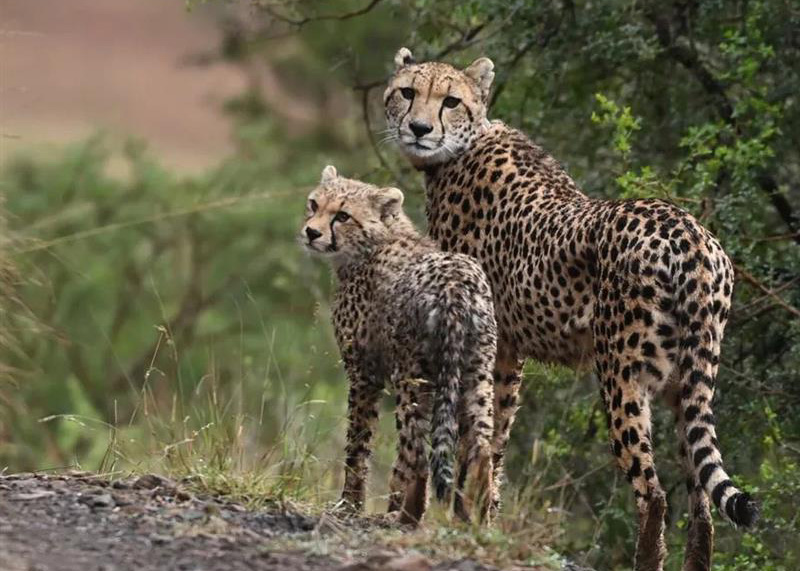
The cheetah is the fastest land animal on Earth – yet one of Africa’s most vulnerable big cats. Fewer than 7,000 cheetahs remain in the wild worldwide. One of their most important refuges is the Greater Kruger National Park in northeastern South Africa. But even here, their survival is becoming increasingly uncertain. Reliable information about the population is lacking: How many cheetahs are there really? Where are their core habitats and breeding areas? What threats put their survival at risk?

Effective conservation starts with knowledge

Without solid data, gradual population declines often go unnoticed. Yet cheetahs are difficult to monitor. They live at low densities, range across vast areas and tend to avoid humans. Previous surveys have often relied on chance sightings and therefore provide an incomplete picture. The last large-scale study in Kruger revealed alarming results: the cheetah population is significantly smaller than long assumed. 

The DERTOUR Foundation project, in partnership with the Endangered Wildlife Trust (EWT), aims to establish the first reliable, long-term data set on the total cheetah population in the Greater Kruger region and to create the foundation for effective, forward-looking conservation. 

How the DERTOUR Foundation helps

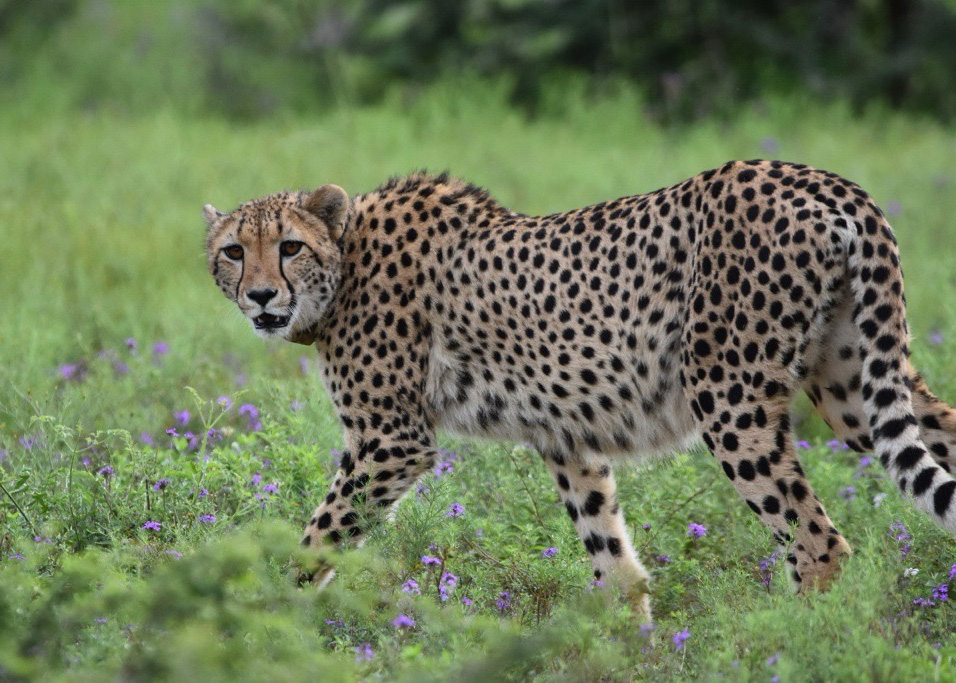
At the heart of the project is an innovative approach that combines science, modern AI technology and citizen science. Rangers, safari guides, local residents and park visitors are actively involved in reporting sightings and collecting photographic data. Using AI-supported image analysis, individual cheetahs can be identified by their unique spot patterns. This creates a comprehensive picture of population size, movements, reproduction and threats.

Engaging local communities – securing the future

Long-term conservation can only succeed together with local communities. Rangers, guides and conservation staff are trained to reliably identify cheetahs, record data accurately and pass on their knowledge. Through the SCOUTS programme, children and young people in neighbouring communities learn about the ecological, cultural and economic importance of cheetahs and become ambassadors for peaceful coexistence between people and wildlife. 

An all-female field team also sends a strong message for gender equality: the women lead the research, train professionals, serve as role models and help build sustainable conservation structures. 

Lasting impact

Fieldwork in the Greater Kruger is establishing a permanent, scalable monitoring system for cheetah conservation, with findings that directly support the management of this and other protected areas. At the same time, the model can be applied to other large carnivores and demonstrates what modern conservation can look like: science-based, community-driven and deeply rooted in the region. 

Because the future of cheetahs is being decided today. 

Lasting impact

Fieldwork in the Greater Kruger is establishing a permanent, scalable monitoring system for cheetah conservation, with findings that directly support the management of this and other protected areas. At the same time, the model can be applied to other large carnivores and demonstrates what modern conservation can look like: science-based, community-driven and deeply rooted in the region. 

Because the future of cheetahs is being decided today. 

You can find out more about our cooperation partner,
Endangered Wildlife Trust (EWT), on project partners.