
Sri Lanka: Mangrove Reforestation

Forests Between Land and Sea

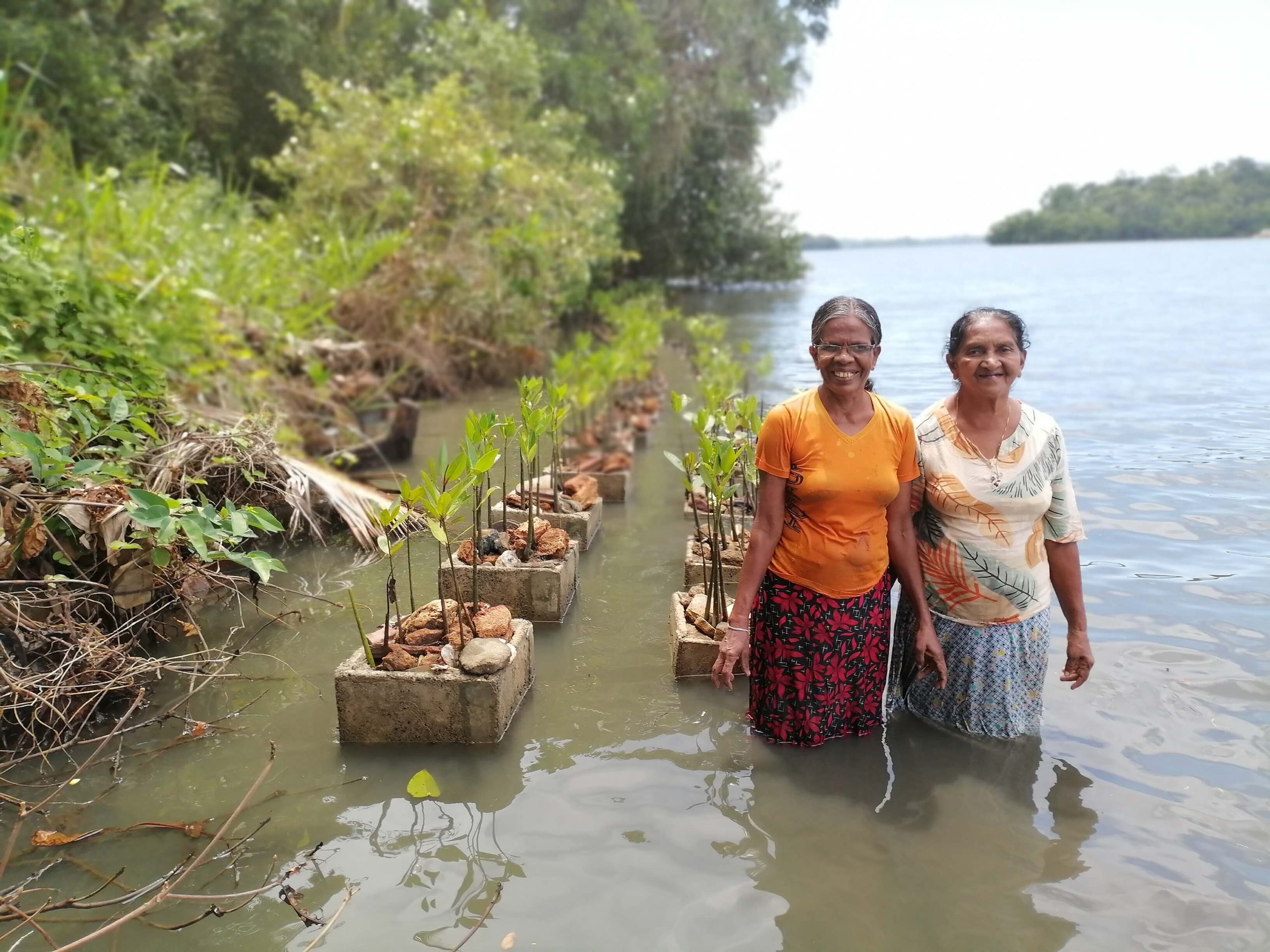
Since 2021, the DERTOUR Foundation, together with its project partner Wildlife and Ocean Resource Conservation (WORC), has been supporting the restoration of mangrove forests in the Koggala Lagoon. So far, 30,000 mangrove seedlings have been planted. Mangroves are true climate heroes, storing four times as much carbon dioxide as tropical rainforests – an indispensable contribution in the fight against climate change. 

A Project That Strengthens the Community

The initiative actively involves the local population: students learn about the ecological importance of mangroves, fishing families receive sustainable nets, and lagoon residents are trained in conservation measures.  

Proud of Tangible Results

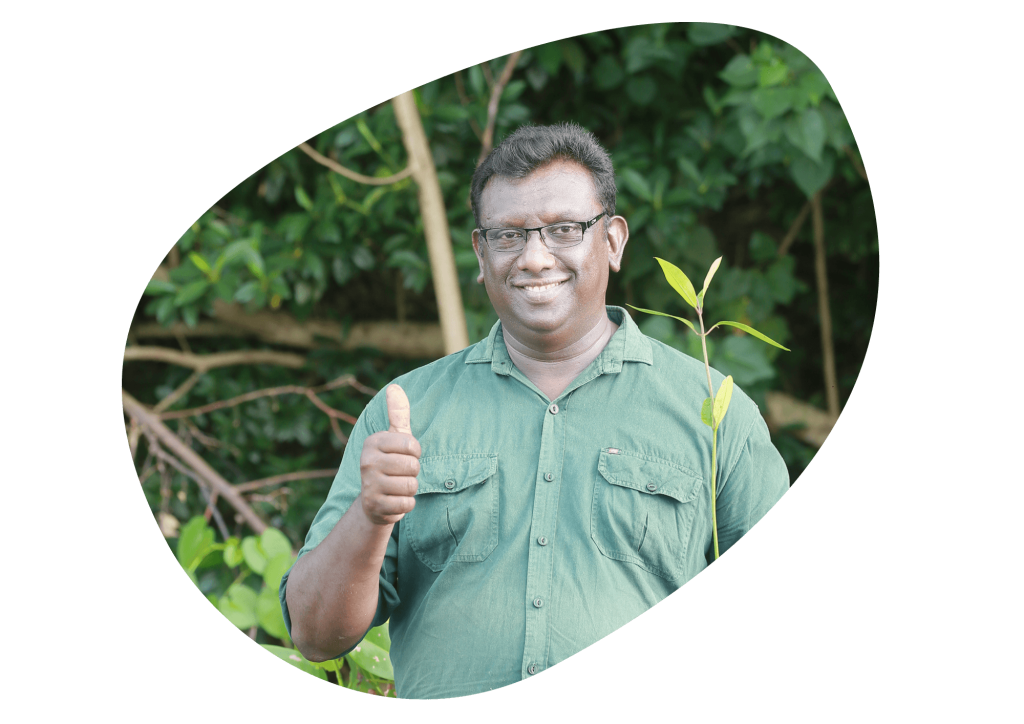
Mahanama Gamage Greshan Dhanushka, chairman of WORC, is rightly proud of the achievements: 
“I’ve known the mangroves since childhood. I used to fish here with my grandfather and learned how vital these forests are for us. Today, we see the fruits of our work—new mangroves are growing, fish have returned, and the community benefits economically.” 

Proud of Tangible Results

Mahanama Gamage Greshan Dhanushka, chairman of WORC, is rightly proud of the achievements: 
“I’ve known the mangroves since childhood. I used to fish here with my grandfather and learned how vital these forests are for us. Today, we see the fruits of our work—new mangroves are growing, fish have returned, and the community benefits economically.” 

DERTOUR Guests Explore the Project

Growing eco-tourism opens new income opportunities, such as catamaran tours through the lagoon or visits to Ganduwa, the Cinnamon Island. Visitors can even plant mangroves themselves, making a tangible contribution to environmental protection. 

Sustainable Impact for People and Nature

Restoring the lagoon combines ecological, social, and economic benefits: over 39 million LKR (~€113,100) have been generated through eco-tourism since the project began. More than 40 low-income families now have a stable income. 6,000 locals have been educated about the importance of mangroves, and 3,000 visitors have enjoyed unforgettable boat tours. 

“Initial skepticism has turned into pride,” Dhanushka says. “People see that their efforts make a difference, and they find joy and purpose in working for their environment.” 

Copyright: Wildlife and Ocean Resource Conservation (WORC)

Children as Environmental Pioneers

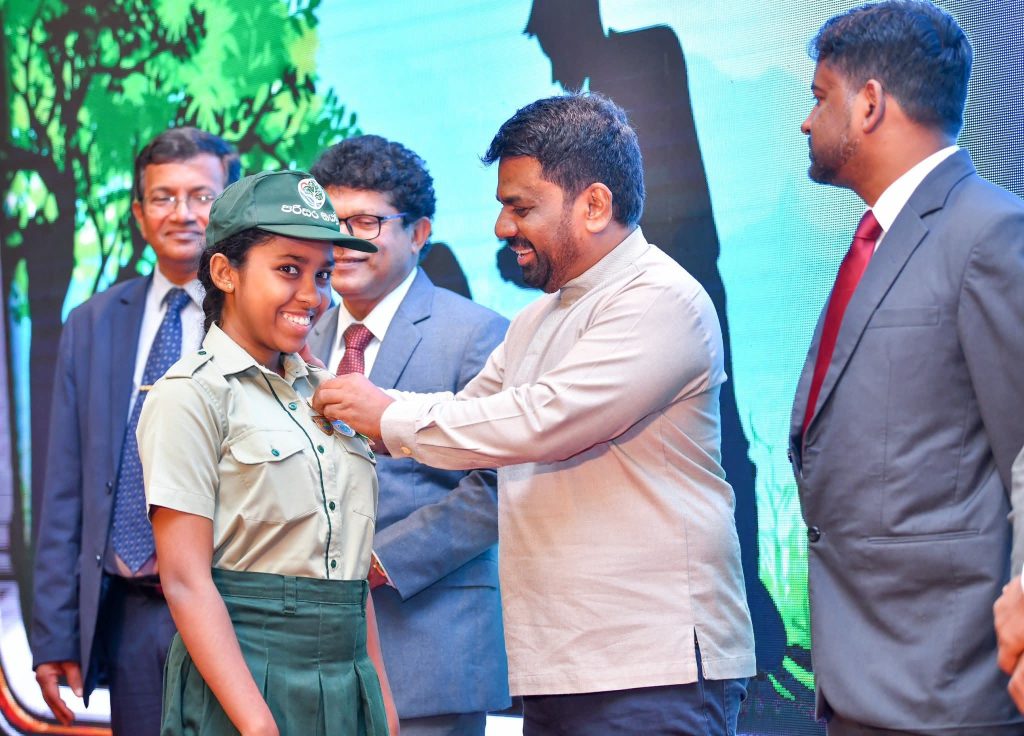
Every year, thousands of students in Sri Lanka participate in the Environmental Pioneer Programme, which encourages children to become young environmental advocates. Students in the Koggala Lagoon plant seedlings, care for school grounds, and raise awareness among locals and tourists about mangroves. In 2025, their outstanding commitment was recognized by the President of Sri Lanka. 

“This award is more than a medal – it’s a symbol of what happens when children drive sustainable change,” says Dr. Manoj Prasanna, Sri Lanka’s leading mangrove ecologist. “A new generation of environmentally conscious leaders is emerging, essential for our country’s sustainable future.” 

Children as Environmental Pioneers

Every year, thousands of students in Sri Lanka participate in the Environmental Pioneer Programme, which encourages children to become young environmental advocates. Students in the Koggala Lagoon plant seedlings, care for school grounds, and raise awareness among locals and tourists about mangroves. In 2025, their outstanding commitment was recognized by the President of Sri Lanka. 

“This award is more than a medal – it’s a symbol of what happens when children drive sustainable change,” says Dr. Manoj Prasanna, Sri Lanka’s leading mangrove ecologist. “A new generation of environmentally conscious leaders is emerging, essential for our country’s sustainable future.” 

A Model for the World

The project’s success is evident in increased biodiversity, healthier ecosystems, and an engaged community striving toward ambitious goals. Next steps include planting 6,000 Rhizophora seedlings along the lagoon shores, establishing a mangrove information center, and expanding eco-tourism and boat safety training. 

Neighboring countries have already taken notice of Koggala’s successful model and invited WORC to share knowledge and best practices. The project demonstrates that conservation goes beyond environmental protection: it safeguards livelihoods, creates economic opportunities, and fosters a strong sense of community across all ages. Here, nature conservation, education, and socio-economic development come together in a truly integrated approach. 

You can find out more about our cooperation partner,
Wildlife and Ocean Resource Conservation (WORC), on project partners.